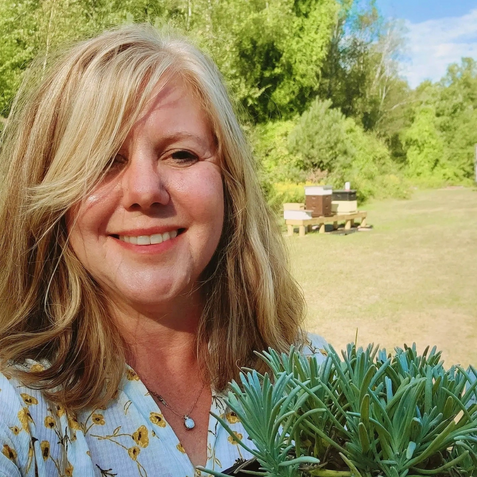
What inspires a person to become a Registered Dietitian and still find fulfillment in the field 35 years later? In honor of the 2026 National Nutrition Month® theme, "Discover the Power of Nutrition", One of our PritikinLIVE RDs recently shared her perspective. Learn how Kimberly Melton prioritizes nutrition at home - hint: it's not complicated - and how she motivates patients nationwide to adopt a heart-healthy lifestyle through the Pritikin Eating Plan.
I still remember the day I decided to become a dietitian. Originally, I was in college to become an accountant. It was my sophomore year, and I was busy getting my prerequisites out of the way so I could begin my core classes. Fall break had arrived, and it was time to go home for a few days and take a break from school.
A friend of mine said I could catch a ride with his cousin since we were from the same area. We met up, I packed my things into her trunk, and we began the hour-and-a-half drive home. During the ride, we started talking about our majors. She told me she was majoring in dietetics. I was immediately curious and asked her to explain because I had never heard of it before. She shared that her goal was to become a Registered Dietitian and went on to describe what that path looked like. The moment I heard her explain it, something clicked. I knew right then that this was what I wanted to do.
Looking back, it is amazing how one simple conversation can change the entire direction of your life. Until that moment, I had been moving forward on a path that seemed practical, but it did not truly match my interests or who I was. Hearing about dietetics felt like discovering a profession that had been waiting for me all along. I had always been drawn to the science of food, biochemistry, fitness, and nutrition, even if I had not fully realized how those interests could come together in a meaningful career. That car ride opened a door I did not even know existed, and I have been grateful ever since that I walked through it.
After break, I made an appointment with my advisor, changed a few classes, and set myself on the path to becoming a dietitian. I have never regretted that decision. Even after 35 years in this field, I still love what I do. It has been a career that has allowed me to combine science, education, and compassion in a way that feels both purposeful and rewarding.
Bringing Balanced Nutrition to Life
Over the years, some people have assumed that because I am a dietitian, I must be especially strict about the food choices of myself and my family. To be fair, I do pay close attention to what we eat and to our overall lifestyle. After speaking with so many clients over the years and reviewing more research studies than I can count, I have had the opportunity to see firsthand how daily choices affect long-term health. Movement, eating whole foods, cooking at home, social connection, and quality sleep are all essential. To me, those habits are foundational and non-negotiable.
At the same time, healthy living is not about perfection. It is about building sustainable habits that support wellness over the long run.
That is one of the most important lessons I try to share with others. People often think maintaining balanced nutrition must be complicated or rigid, but in reality, some of the most meaningful changes come from simple, consistent choices. A balanced lifestyle should feel realistic and supportive, not overwhelming. My goal has never been to promote extremes, but rather to help people find practical ways to care for themselves and their families.
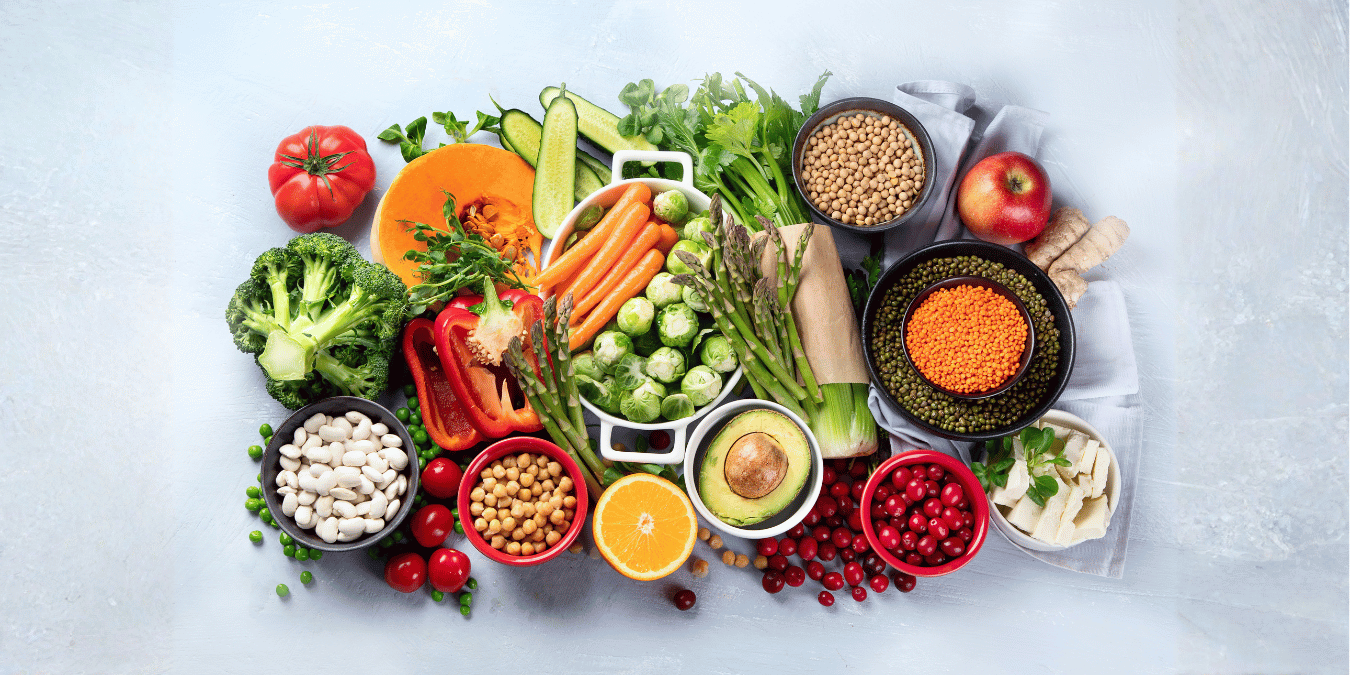
One of the biggest misconceptions about living a healthy lifestyle and choosing whole, nutrient-dense foods is that it is too expensive and too time-consuming. There are several things I do to make preparing healthy meals easier and more affordable. One of the first is buying in bulk whenever possible. Frozen vegetables and fruit, individually frozen fish or chicken breasts, beans, and rice can all be purchased on sale and stored easily. I also like to double batch recipes and freeze or refrigerate leftovers to use later in the week or at another time. That way I am not constantly cooking, and my family and I usually have something ready to pull out of the refrigerator and heat for a quick lunch or dinner.
Teaching the Pritikin Eating Plan
One of the aspects I love most about being a dietitian is being able to help people. Many times, when patients come into cardiac rehab, they feel confused and unsure about how to make food choices that align with the program. Nutrition information can be overwhelming, especially when people are already dealing with health concerns and trying to make important changes. I have the privilege of guiding them on their journey toward better heart health and helping ease their fears as they navigate the world of nutrition. It is very rewarding to watch people gain confidence, ask questions, and begin to realize that healthy eating can be approachable and achievable.
My favorite Cooking School Workshop to teach is “Spotlight on the Blue Zones.” When I knew I would be teaching it, I took a deep dive into learning more about these regions of the world and how they came to be known as the Blue Zones. I found books written about them, and I even came across cookbooks with recipes that reflect the style of eating common in those regions. I was fascinated not only by the foods themselves, but also by the broader lifestyle patterns shared by these communities.
What I love most about teaching this class is that the Blue Zones offer such a hopeful and practical example of healthy living. They remind us that longevity is not built on one perfect food or one strict rule. Instead, it grows out of everyday habits such as eating simple, nourishing foods, staying active through daily life, maintaining strong social connections, and living with a sense of purpose. Those ideas resonate deeply with me, both professionally and personally. Being able to share that message with others and help them see that better health can begin with small, meaningful changes is one of the most fulfilling parts of my work.
.png)
.svg)